Do You Need 20 Percent Down to Buy a House?
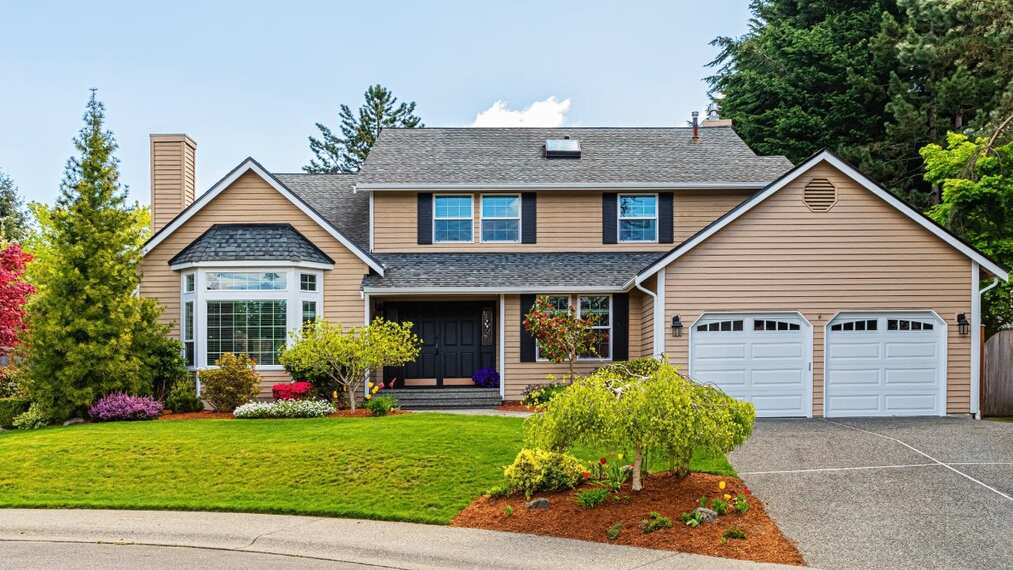
If you’ve been putting off homeownership because you haven’t saved up a full 20% for a down payment, you’re not alone—and you’re not out of options either. The idea that you need to put 20 percent down to buy a house is one of the most common (and misleading) assumptions among first-time homebuyers. While that number might be ideal in some cases, it’s far from a universal requirement.
In this post, we’ll explain how the 20% standard came to be, what today’s financing options actually look like, and how a real estate agent can guide you through the process of buying a home without unnecessary delays or confusion.
Let’s start by understanding where this benchmark came from—and why it might not apply to your situation.
Why the 20% Down Payment Became the “Standard”
Many buyers hear the 20% number early on and assume it’s a requirement across the board. But that figure has more to do with lender preferences than legal rules.
In reality, there are multiple loan programs that allow for much less upfront, without penalizing you. A good real estate agent and lender team will walk you through what’s best for your financial situation, not what’s most traditional.
Here’s why 20% became the assumed benchmark:
- It eliminates private mortgage insurance (PMI): Lenders often require PMI if your down payment is under 20%, to protect their investment.
- It lowers your monthly payment: More down means a smaller loan, which can ease your budget long-term.
- It strengthens your offer: In a competitive market, a higher down payment can make you more attractive to sellers.
But none of these benefits mean you must hit that threshold.
Why Some Buyers Still Choose to Put 20% Down
While smaller down payments open doors for many buyers, there are still valid reasons why some people choose to put down the full 20%—especially if they have the financial flexibility to do so.
Here’s why a larger upfront investment can sometimes make sense:
- Avoiding Mortgage Insurance: Putting down at least 20% on a conventional loan means you won’t need to pay private mortgage insurance (PMI), which can reduce your monthly costs over time.
- Lower Monthly Payments: A bigger down payment means you’re financing less, which directly translates into a smaller monthly mortgage bill.
- More Competitive Offers: In a tight market, sellers may view buyers with 20% down as more financially secure, which can help your offer stand out.
- Stronger Equity Position: From day one, you own more of your home, which offers peace of mind and financial leverage for future upgrades, refinancing, or resale.
But it’s important to weigh these benefits against your broader financial picture. Stretching your budget to hit that 20% mark could limit cash flow, delay your timeline, or keep you from handling unexpected homeownership costs comfortably.
Alternatives to a 20% Down Payment
If putting 20% down isn’t realistic—or simply not the best fit for your financial goals—there are flexible options that can help you purchase a home with much less upfront. The key is working with a knowledgeable lender and real estate agent who can guide you toward the right loan structure.
Here are some of the most common alternatives:
- FHA Loans (3.5% Down): Backed by the Federal Housing Administration, FHA loans are a go-to option for many first-time buyers or those with lower credit scores.
- VA Loans (0% Down): Exclusive to eligible military service members and veterans, VA loans require no down payment and often come with competitive rates and no private mortgage insurance.
- Conventional Loans (3%–5% Down): Some lenders offer conventional loan programs with down payments well below 20%, especially for first-time or lower-income buyers.
- Down Payment Assistance Programs: Local, state, and national programs may offer grants, forgivable loans, or deferred-payment assistance to qualified buyers.
Each of these routes comes with its own eligibility criteria, pros, and trade-offs. This is why having a skilled real estate agent in your corner matters—they can connect you with local lenders, break down your options, and help you make a confident, informed decision.
The Role of Your Real Estate Agent in Structuring the Right Down Payment
Even with flexible financing options available, choosing the right down payment amount isn’t just about what you can afford—it’s about what makes sense for your overall goals. That’s why your real estate agent plays a critical role in guiding that decision—not just your lender.
An experienced agent does more than show you homes—they help you see the bigger picture:
- They understand market dynamics. In fast-moving areas, a 10% down buyer with strong terms may win over a 20% down buyer with weaker timing or contingencies.
- They coordinate with your lender. A good agent works hand-in-hand with your lender to make sure the financing and the offer strategy align smoothly.
- They weigh your long-term goals. If you’re planning to move in a few years, tying up 20% might not be ideal. If this is your forever home, a larger investment could make sense.
- They protect your financial flexibility. Agents help prevent buyers from going “house poor” by encouraging smarter upfront investments that leave room for repairs, upgrades, or emergencies.
- They clarify what matters to sellers. A seller’s priority might be speed or simplicity—not necessarily a huge down payment. Your agent helps structure a winning offer based on current trends.
With so many options available, having a trusted expert in your corner gives you a strategic advantage—not just during negotiations, but from the first pre-approval conversation onward.
Your Down Payment Doesn’t Define Your Buying Power
So, do you need 20 percent down to buy a house? In short—no. While a larger down payment can reduce your monthly mortgage and eliminate private mortgage insurance, it’s far from the only path to homeownership. Many well-qualified buyers successfully purchase homes with far less saved upfront, especially with support from the right professionals.
Ultimately, the best path forward depends on your personal financial goals, timeline, and long-term plans. That’s where a seasoned real estate agent becomes invaluable. From connecting you with trusted lenders to helping you understand loan programs and local market trends, they guide the entire journey with clarity and confidence.
If you’re ready to explore what buying a home could look like for you—even if you don’t have 20% saved—let’s talk about your options and build a plan that works for your life.