
How Arlington Buyers Decide Between Condos and Townhomes
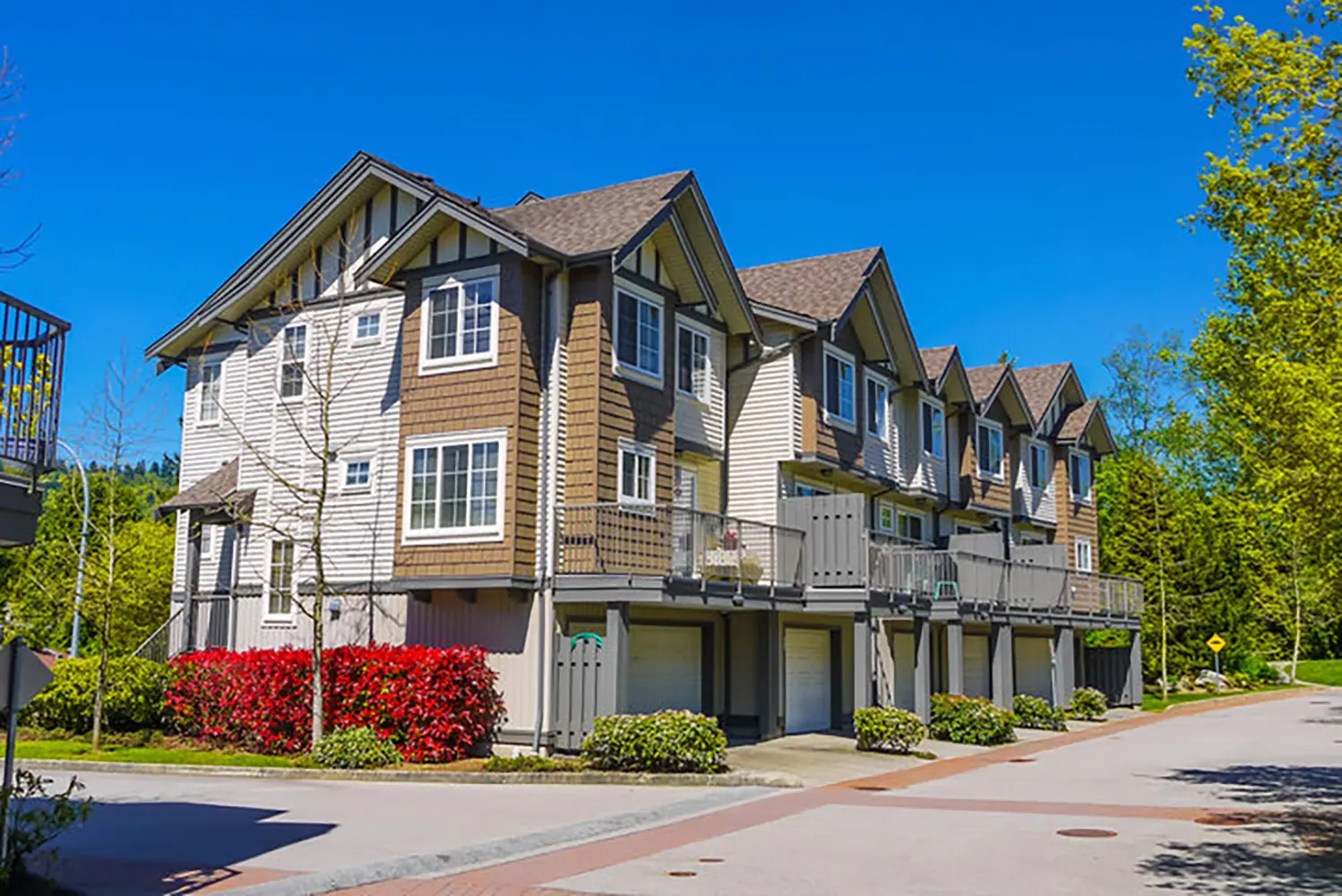
Buying a home in Arlington often comes down to a deceptively simple choice that feels harder the more you look at it: a condo or a townhome. On the surface, both options can offer similar price points, locations, and square footage. But once buyers start imagining daily life, the decision becomes less about labels and more about fit.
This is why many buyers find themselves stuck. Online listings make condos and townhomes look interchangeable, yet the lived experience can feel very different once you move in. Questions about privacy, monthly costs, rules, flexibility, and long-term plans tend to surface all at once, making it difficult to know which factors matter most.
Understanding how buyers decide between condos and townhomes isn’t about memorizing pros and cons. It’s about recognizing what tradeoffs you’re actually willing to live with and which ones will quietly become frustrations over time. In Arlington, where neighborhood layout, commute patterns, and housing density vary widely, those tradeoffs can carry even more weight.
This guide walks through how Arlington buyers typically think through this choice, helping you frame the decision in a way that feels practical, grounded, and personal rather than overwhelming.
How daily living differs in condos versus townhomes
For many Arlington buyers, the decision starts with how each option feels in everyday use. Condos and townhomes can offer similar interiors, but the way you enter, move through, and share space changes the experience in subtle but important ways.
In a condo, daily life often includes shared hallways, elevators, lobbies, and common entrances. That can feel convenient and low-effort, especially for buyers who like a lock-and-leave lifestyle. It can also mean more frequent interaction with neighbors and less separation between your space and theirs.
Townhomes tend to feel closer to a single-family home. Private entrances, multiple levels, and direct access from the street create a stronger sense of ownership and separation. Buyers who value coming and going without shared spaces often notice this difference immediately.
Other day-to-day considerations tend to surface quickly:
- Noise tolerance, especially with shared walls above or below in condos
- Outdoor access, such as patios, balconies, or small yards
- Guest flow, including where visitors park and how they enter
- Storage space for bikes, strollers, or seasonal items
Some buyers find condo living easier and more social. Others feel more at ease in a townhome’s layout and boundaries. This initial comfort level often narrows the choice early, even before financial details enter the picture.
How monthly and long-term costs diverge between the two
Once buyers get past the feel of daily living, the conversation usually shifts to money, not just the purchase price, but what owning the home costs month after month. This is where condos and townhomes often separate more clearly.
Condos typically come with higher HOA dues, and reviewing HOA documents in Arlington can reveal how those fees are structured and what they include. Those fees can cover things like exterior maintenance, building insurance, trash service, snow removal, amenities, and sometimes utilities. For some buyers, that bundled predictability is reassuring. Fewer surprise expenses can make budgeting feel simpler.
Townhomes usually have lower HOA fees, but more responsibility falls on the homeowner. Roofs, siding, and exterior repairs may not be fully covered, even if landscaping or shared areas are. Over time, costs can be less predictable, but buyers gain more control over when and how money is spent.
Buyers often weigh:
- Predictable monthly fees versus variable maintenance costs
- Whether HOA dues replace expenses they would otherwise pay anyway
- Comfort with handling repairs directly versus having them managed
- How rising HOA fees might affect long-term affordability
Two homes with similar list prices can feel very different financially once these ongoing costs are factored in. For many buyers, the decision comes down to whether they prefer convenience and predictability or flexibility and hands-on control.
Where control ends in condos and expands in townhomes
Another point that quickly shapes the decision is how much control buyers expect to have over their home. This isn’t just about renovations. It’s about how much freedom exists to make changes, respond to issues, and treat the home as truly their own.
In a condo, ownership usually stops at the interior walls. Exterior elements, common areas, and even some mechanical systems are managed by the association. That structure can be appealing to buyers who don’t want to think about exterior upkeep or shared systems. At the same time, it means changes often require approval. Flooring choices, window treatments, exterior-facing fixtures, and even move-in logistics may be governed by rules that limit flexibility.
Townhomes generally offer more autonomy. While there may still be an HOA, the scope of oversight is often narrower. Buyers are more likely to have control over their entrance, interior layout, and sometimes exterior features tied directly to their unit. That extra freedom can matter a great deal to buyers who anticipate customizing their space or simply want fewer restrictions.
This difference tends to resonate more strongly with certain lifestyles. Buyers who value simplicity and structure may feel comfortable with condo rules. Others feel constrained by them and gravitate toward townhomes because they want decisions to stay in their own hands. How much autonomy feels necessary, versus how much feels burdensome, often becomes a quiet but decisive factor.
How expected length of stay favors one option over the other
How long buyers expect to stay in the home often shifts the condo versus townhome decision more than they initially realize. Even buyers who don’t have a firm timeline tend to picture how the home fits into the next phase of life, not just the next few years.
Condos often appeal to buyers who see the home as a shorter- to medium-term stop, much like the considerations people weigh when deciding rent versus buy a house for their lifestyle. The convenience, lower maintenance demands, and simplified ownership can make sense for someone prioritizing location, commute, or flexibility. If the plan is to move again once circumstances change, those benefits can outweigh the limitations.
Townhomes tend to feel better suited for buyers with a longer horizon. The added space, layout flexibility, and greater sense of permanence can support evolving needs over time. Buyers who imagine staying put through job changes, family growth, or lifestyle shifts often find townhomes easier to grow into rather than out of.
This doesn’t mean condos are only short-term homes or that townhomes lock buyers in. Instead, the expected length of stay shapes how much weight buyers give to tradeoffs like rules, maintenance responsibility, and adaptability. When buyers mentally place themselves five or ten years down the road, one option often starts to feel more aligned with that future than the other.
How Arlington’s layout pushes buyers toward condos or townhomes
After weighing lifestyle, costs, control, and time horizon, many buyers find that Arlington itself quietly nudges the decision. Housing type is not evenly distributed, and where you want to live can naturally favor one option over the other.
Condos are more common in denser, highly walkable areas. Buyers who prioritize proximity to Metro stations, restaurants, and office corridors often encounter condos first. In these neighborhoods, convenience and location tend to outweigh the desire for extra space or autonomy, especially for buyers focused on commuting efficiency or an urban feel.
Townhomes are more prevalent in slightly less dense pockets where space opens up. These areas still offer strong access to Arlington amenities, but with a more residential rhythm. Buyers drawn to quieter streets, easier parking, or a clearer separation from commercial activity often find townhomes better aligned with how they want to live day to day.
For some buyers, this becomes the deciding factor. They may prefer one housing type in theory, but choose the other because it places them closer to work, transit, or the routines that matter most. In Arlington, location and housing type are closely linked, and the map itself often narrows the choice before personal preference fully settles it.
How resale confidence and financing differ between condos and townhomes
As buyers think beyond move-in day, questions about resale and financing often enter the picture. Even when a sale feels far off, confidence about future flexibility can influence how comfortable a buyer feels choosing one option over the other.
Condos come with a few additional layers that buyers tend to consider more carefully. Financing can depend on whether the condo association meets lender guidelines, and not all buildings qualify equally. This doesn’t stop purchases, but it can affect loan options and buyer pools down the line.
Townhomes usually face fewer of these hurdles. Because they function more like single-family homes, financing tends to be more straightforward, and resale conditions can feel more predictable to buyers planning ahead.
Buyers often weigh:
- Whether the condo association is approved for common loan programs
- How HOA health and management affect future buyers
- The size and flexibility of the resale buyer pool
- How easily the home could be sold if plans change
Some buyers are highly sensitive to these factors and prefer the simplicity townhomes offer. Others place less weight on future scenarios and focus more on current lifestyle fit. The key difference is not which option is better, but how much reassurance a buyer needs about financing and resale when making the decision.
How buyers reconcile the condo–townhome tradeoff
By the time Arlington buyers reach this point, the decision is rarely about finding a perfect option. It’s about reconciling tradeoffs in a way that feels sustainable and aligned with real life. Condos and townhomes each solve problems while introducing others, and clarity usually comes from deciding which compromises feel acceptable.
Most buyers start to see patterns in their own preferences. Some consistently value convenience, predictability, and location, even if it means giving up control or space. Others place more importance on autonomy, flexibility, and a home that feels self-contained, even if it requires more responsibility.
This reconciliation often happens when buyers step back and look at the decision as a whole rather than as isolated factors. Lifestyle, monthly costs, rules, location, and future plans don’t exist independently. They interact. A buyer who initially worries about HOA rules may realize they matter less when paired with an ideal commute. Another buyer may accept higher maintenance responsibility in exchange for long-term adaptability.
What ultimately resolves the condo versus townhome question is not a checklist, but alignment. When one option supports more of a buyer’s priorities with fewer ongoing tensions, it starts to feel like the right choice. That sense of fit is usually clearer than any single feature comparison.
Final thoughts for Arlington buyers weighing both options
Choosing between a condo and a townhome in Arlington isn’t about identifying a universally better option. It’s about understanding how different living arrangements support different priorities, and recognizing which ones matter most to you.
Buyers who feel confident in their decision usually reach that point by looking past surface-level similarities. They pay attention to how daily life will feel, how predictable their expenses will be, how much control they want, and how the home fits into their longer-term plans. Location often narrows the choice further, especially in Arlington, where walkability and density vary block by block. Financing and resale considerations add another layer of comfort for buyers who want flexibility in the future.
When these pieces are viewed together, the decision tends to clarify itself. One option starts to align more naturally with how you live now and how you expect your life to evolve. That alignment matters more than maximizing any single feature or minimizing one specific drawback.
If you’re still weighing condos and townhomes and want help thinking through how this choice fits your situation, a focused conversation can make the process feel far less overwhelming. Talking through priorities, timelines, and local options often brings clarity faster than comparing listings alone.
If you’re still deciding between a condo and a townhome in Arlington, we can help you talk it through. At Will Montminy, we work with buyers every day who are weighing these exact tradeoffs and trying to understand what fits their lifestyle, budget, and timeline. We’re happy to answer questions, look at options with you, and help you feel confident in your next step. Reach out through our contact page and we’ll start the conversation when you’re ready.