
Why Some Homes Attract Multiple Offers and Others Don’t
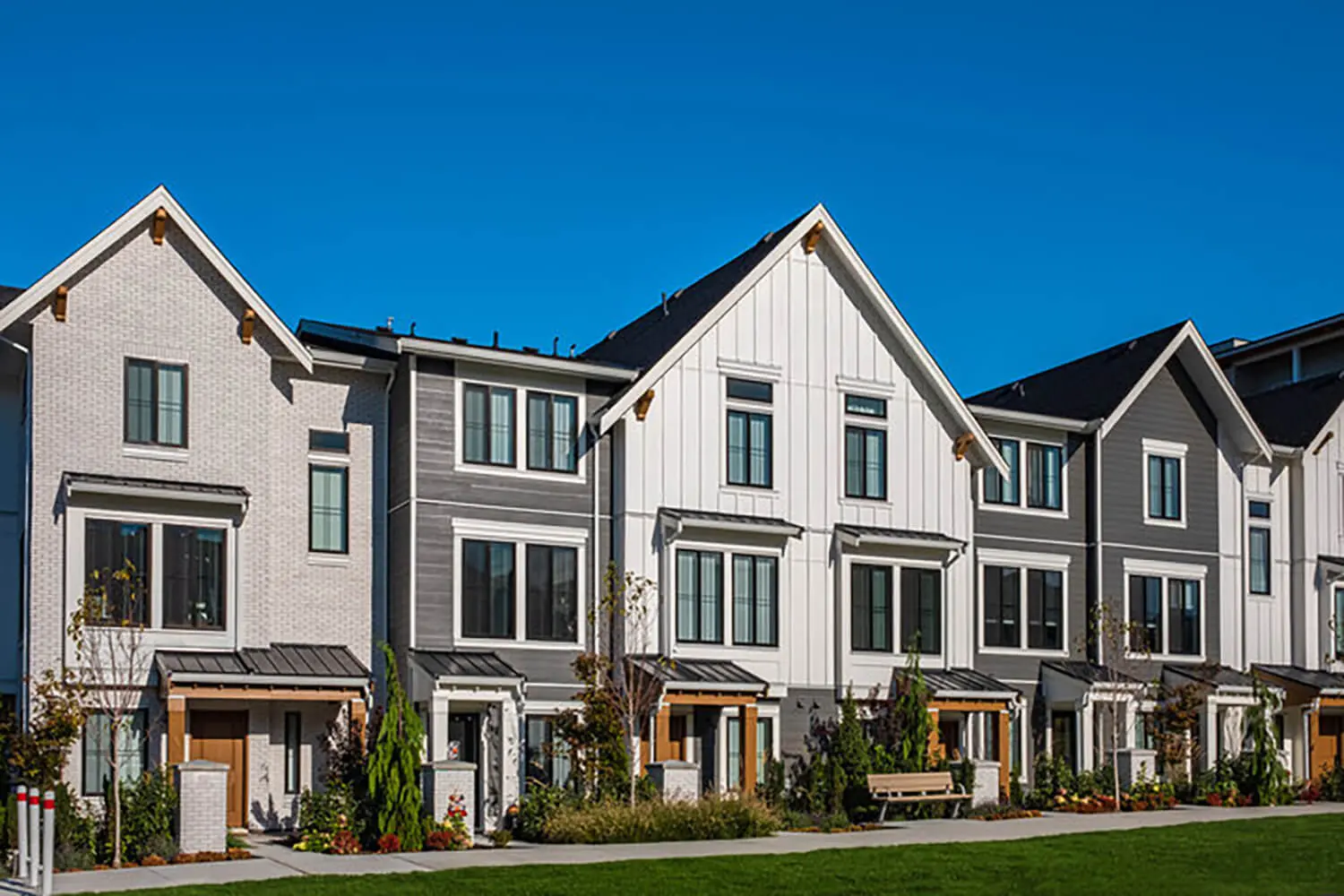
Two homes sit three blocks apart. Similar square footage, similar price, same school district. One goes under contract in four days with five offers. The other sits for seven weeks and eventually takes a price reduction.
It happens all the time, and for sellers watching from the sideline, it can feel completely random. The home that sold wasn’t obviously better. The market didn’t change between the two listings. So what actually happened?
The answer isn’t luck. Understanding why some homes attract multiple offers comes down to how buyers perceive value before, during, and after a showing. Buyer competition is a response to specific signals, and those signals are more predictable than most sellers realize.
This post breaks down the forces behind that competition. It covers how buyers form impressions before they ever set foot inside a home, what pricing does to urgency, what makes a home feel like a risk instead of an opportunity, and how market conditions shape the playing field without determining who wins on it.
What Multiple Offers Actually Signal
Multiple offers are easy to misread. Most sellers assume they’re a product of timing or market conditions. Get lucky with a hot market, and the offers roll in. Miss the window, and they don’t. That framing isn’t wrong, but it’s incomplete.
Multiple offers are a signal that buyers perceive a specific home as an opportunity worth competing for. That’s a different thing than a hot market producing activity across the board. Competition is a response to perceived scarcity and value alignment. Buyers believe the home is priced at or below what it’s worth, they believe others are looking at it too, and they’re not willing to lose it.
That combination of factors can exist in any market. It can also fail to exist in a seller’s market if the home isn’t positioned to create it.
A few things that signal opportunity to buyers:
- The price feels like it reflects the home honestly, or even favors the buyer slightly
- The listing generates quick interest, which creates social proof that others see the value too
- The home reads as move-in ready, which lowers the perceived risk of acting fast
- There’s nothing sitting in the listing that gives buyers a reason to wait and see
When those signals are absent, buyers slow down. They schedule second showings. They ask more questions. They wait to see if the price drops. That hesitation is what prevents competition from forming, and it almost always traces back to how the home is positioned, not just what the market is doing.
Understanding what triggers the perception of opportunity is what separates homes that attract multiple offers from ones that don’t. The sections ahead unpack exactly that.
How Buyers Perceive Value Before They Ever Walk Through the Door
By the time a buyer pulls into the driveway, they’ve already decided how interested they are. The showing confirms that impression or disrupts it. It rarely builds it from scratch.
Most value perception happens online, in the minutes a buyer spends scrolling through a listing before scheduling a visit. Four signals are doing most of the work:
- Listing photos: Buyers are looking for light, space, and a sense the home is cared for. Dark rooms or cluttered surfaces create hesitation before the buyer has any other information.
- Price relative to comps: A price that feels aligned with or slightly below the neighborhood benchmark reads as an opportunity. A price that feels like it’s testing the ceiling reads as a negotiation, which slows things down.
- Days on market: A home that has been sitting carries a question mark buyers feel even if they can’t name it. They assume other buyers already looked and passed. Fresh listings create urgency. Stale ones create caution.
- The listing description: Generic copy signals low effort. It doesn’t kill a deal on its own, but it contributes to an impression of a seller who isn’t fully invested in presenting the home well.
None of these signals require a major renovation to get right. But all of them require attention.
A buyer who arrives already excited is in a completely different headspace than one who arrives with doubts they’re hoping to have resolved. That difference in mindset is often what determines whether a showing turns into an offer, and whether that offer comes with competition behind it.
The Role Pricing Plays in Creating (or Killing) Competition
Pricing is the single most controllable factor in whether a home attracts competitive interest. It also tends to be the most misunderstood.
The instinct for many sellers is to price high and leave room to negotiate. The logic feels sound: start high, see what happens, and come down if needed. The problem is that buyers don’t experience that strategy as flexibility. They experience it as a ceiling, and sellers who misjudge pricing that way rarely generate the competition they were expecting.
When a home is priced at or slightly below perceived market value, something different happens. Buyers who might otherwise take their time feel pressure to act. They know the price reflects the home honestly, they know others are likely looking, and they don’t want to lose it over hesitation. That’s the psychology behind why some homes attract multiple offers within days of listing.
A few things pricing affects directly:
- The size of the buyer pool. A price that feels too high narrows who will even schedule a showing.
- The speed of offers. Buyers move faster when they believe a home is fairly priced.
- The likelihood of competition. Multiple buyers acting at the same time is what produces competing offers, and that only happens when enough buyers feel the same urgency at the same moment.
It’s also worth understanding that pricing decisions don’t happen in a vacuum. Buyers are looking at what comparable homes sold for recently, and they’re using those numbers to interpret any new listing. A home that is priced without that context, or against it, starts at a disadvantage regardless of its condition or presentation.
Higher list prices don’t reliably produce higher sale prices. In many cases they produce longer days on market, price reductions, and a buyer pool that has already moved on.
Why Buyers Hesitate Even When a Home Looks Right on Paper
Some homes pass every pre-arrival filter and still lose momentum. The photos were good, the price felt reasonable, and the buyer showed up genuinely interested. Then something shifted.
Hesitation during or after a showing rarely comes from one obvious problem. It comes from a combination of small signals that add up to a feeling of risk the buyer isn’t willing to take on competitively.
The most common signals that push buyers from interest to caution:
- Deferred maintenance: Worn finishes or aging systems suggest larger issues underneath. Buyers considering competing need to feel confident acting quickly. Anything that raises questions about condition makes that confidence harder to hold.
- Layout friction: Awkward flow or rooms without a clear purpose make it difficult for buyers to picture themselves living there. Buyers don’t compete for compromises.
- Pricing that feels defensive: When condition doesn’t align with price, buyers don’t just negotiate harder. They pull back entirely. A price disconnected from what they’re seeing in person signals the seller may know something they don’t.
- Overcustomization: Highly specific finishes or unconventional layouts make it harder for buyers to see themselves in the home, which reduces urgency.
Hesitation is rarely dramatic. It usually looks like a buyer who was excited going in and noncommittal coming out. The same factors that make a home harder to sell in competitive markets are often the ones sellers overlook before listing.
What the Market Conditions Have to Do With It
Market conditions set the backdrop, but they don’t determine outcomes on their own. That distinction matters more than most sellers realize.
In a seller’s market, low inventory and high demand create more buyer activity across the board. Buyers are competing for fewer options, which means well-positioned homes attract more interest and generate offers faster. But even in that environment, poorly positioned homes sit. Conditions amplify the gap between homes that read as opportunities and homes that don’t. They don’t close it.
The same logic applies in a buyer’s market. When inventory is high and urgency is low, buyers have more options and less pressure to act quickly. Competition becomes rarer. But it still happens for homes that are priced, presented, and positioned well. A home that checks every box in a slow market will still attract serious buyers, and serious buyers who find something they don’t want to lose will compete for it.
What market conditions actually explain is the volume of activity around a listing, not the quality of it. A seller’s market produces more showings. It doesn’t automatically produce the right perception. A buyer’s market reduces the pool. It doesn’t eliminate buyers who are ready to move on the right home.
Sellers who understand current conditions can set realistic expectations about timing and buyer behavior. But conditions alone don’t explain why some homes outperform others listed at the same time in the same neighborhood. That gap almost always comes back to positioning.
What This Means if You’re Planning to Sell
The through line across everything covered here is that buyer competition isn’t random. It’s a response to perception, and perception is shaped by factors that are largely within a seller’s control.
Buyers form impressions before they arrive. They read pricing as a signal about value and risk. They pick up on condition issues that create doubt. They respond to market conditions, but they’re ultimately making decisions about specific homes, not the market in general. The homes that attract multiple offers are the ones that manage all of those signals well at the same time.
That doesn’t mean every home will generate a bidding war regardless of what a seller does. Market conditions, location, and timing all play a role. But it does mean the gap between a home that attracts competition and one that doesn’t is rarely just luck. It’s usually the result of decisions made before the listing ever goes live.
Understanding these dynamics is the starting point. Knowing how they apply to a specific home, in a specific neighborhood, at a specific moment in the market is where the real work happens.
If you’re thinking about selling your house and want a clear picture of where you stand before you list, Will Montminy can help you work through what buyers are likely to see and how your positioning compares to what’s currently moving in your market. Reach out today to start that conversation.