Should You Buy New Construction or Resale?
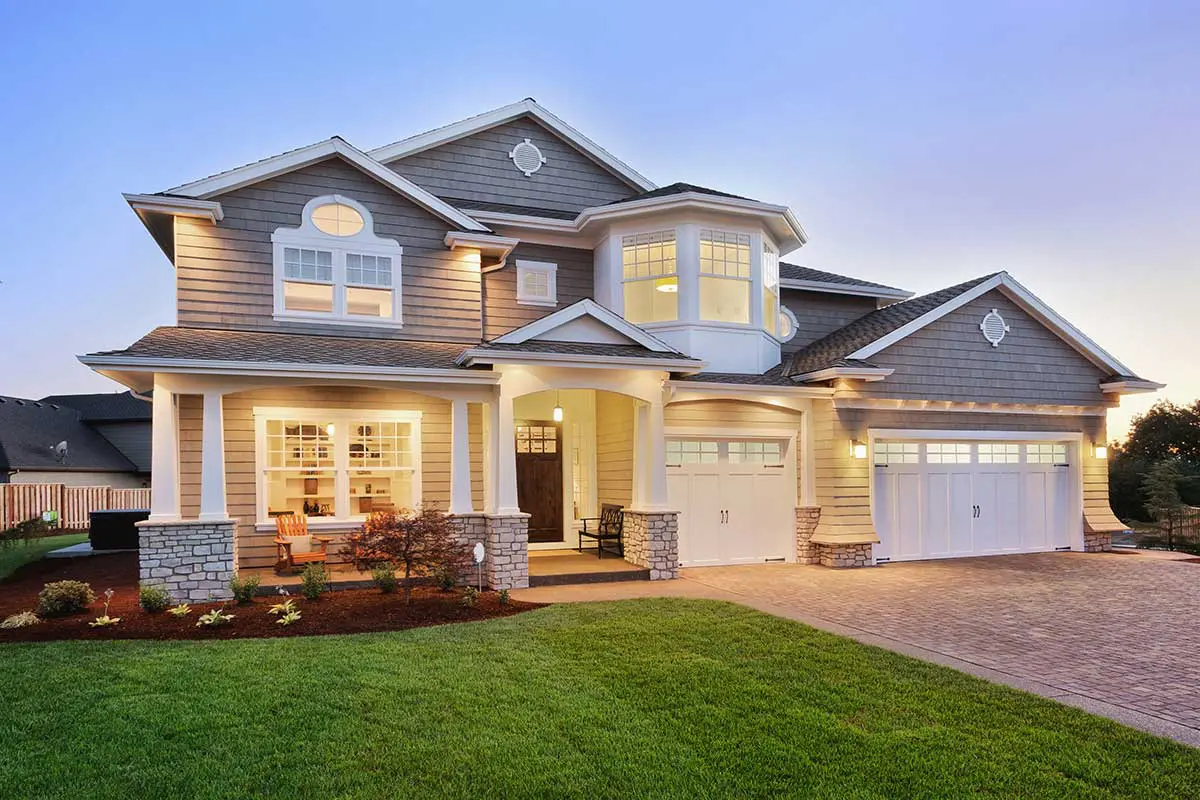
When it’s time to buy a home, one of the first decisions buyers face is whether to go with brand-new construction or an existing resale home. Each comes with distinct benefits, trade-offs, and timelines—and your choice can have a big impact on everything from cost to convenience to long-term satisfaction.
If you’re wondering whether you should buy new construction or resale, the answer depends on what matters most to you. But this isn’t a decision to make in a vacuum. A local real estate expert can help you weigh the real pros and cons based on the current market, your lifestyle goals, and your timeline.
Let’s break down what to expect from each option, and how to know which path fits you best.
The Pros and Cons of New Construction Homes
Buying a brand-new home can be incredibly appealing—especially if you like the idea of a modern layout, energy-efficient systems, and the ability to personalize finishes. But new doesn’t always mean easier or better. It’s important to know what you’re really signing up for.
If you’re considering whether you should buy new construction or resale, here’s what to expect from the new-build route:
Benefits of new construction homes:
- Customization opportunities: Many builders allow you to select finishes, flooring, cabinetry, and even floor plans
- Modern designs and energy efficiency: New homes meet current codes, offer smart-home upgrades, and are more efficient than older builds
- Fewer repairs or replacements upfront: Everything—from the roof to the appliances—is brand new and typically covered by a builder’s warranty
- Planned communities with amenities: New developments often include parks, pools, and walking trails
- Longer time to move: If you’re not in a rush, building from the ground up can give you time to prepare for your transition
Challenges to consider:
- Longer wait times: Construction delays are common, and move-in dates can shift unexpectedly
- Higher upfront costs: While not always more expensive, upgrades and lot premiums can add up quickly
- Limited room for negotiation: Builders often hold firm on pricing and don’t cover closing costs unless using their preferred lender
- Less established neighborhoods: Landscaping, roads, and amenities may still be under construction when you move in.
- HOA restrictions and builder rules: Customization is sometimes limited by community design guidelines
New construction can be exciting, but it’s important to work with an agent who knows the builders in your area, understands local zoning, and can advocate for you during the build process. They’ll help you avoid costly surprises and ensure your investment holds long-term value.
The Pros and Cons of Resale Homes
While brand-new homes offer modern amenities and customization, there’s a reason many buyers still gravitate toward resale properties. These homes tend to come with character, mature landscaping, and well-established neighborhoods—but they can also come with surprises you can’t see during a quick tour.
If you’re wondering whether you should buy new construction or resale, understanding the unique value (and limitations) of resale homes will help you make a more informed decision.
Benefits of resale homes:
- Faster move-in timelines: Most resale homes are ready to close within 30–45 days, which is ideal for buyers on a deadline
- Established neighborhoods: You’ll find mature trees, community amenities, and a lived-in feel that many buyers appreciate
- Potential for negotiation: Unlike builders, traditional sellers are often more flexible on price, closing costs, or repairs
- More central locations: Resale homes tend to be in areas closer to town centers, schools, or transit corridors
- Visualize the home’s “lived-in” function: It’s easier to see how people have used the space and how your lifestyle fits
Challenges to consider:
- May require updates or repairs: Systems like HVAC, roofing, or plumbing may be aging, even if the home is well-maintained
- More competition for popular listings: Desirable resale homes can spark bidding wars, especially in tight inventory markets
- Outdated layouts or finishes: Many older homes lack open-concept living or modern kitchen configurations
- Unseen maintenance history: Unless properly documented, some issues may go unnoticed until after the sale
- No builder warranties: While home warranties can be purchased, they don’t cover everything the way new-home warranties might
Resale homes come with more variables—but they also offer more flexibility. A knowledgeable agent will help you assess each property’s condition, navigate inspections, and ensure you’re making a sound investment from both a lifestyle and financial perspective.
Key Questions to Ask Before You Decide
Deciding should you buy new construction or resale isn’t just about style preferences—it’s about understanding how each option fits your personal, financial, and lifestyle goals. Before jumping in, it’s worth stepping back and asking yourself the right questions.
Use these guiding questions to clarify your priorities:
- What’s my timeline for moving? If you need to relocate quickly, resale homes are often the better match. New construction can take months—or longer—to complete.
- How important is customization? Do you want to choose your finishes and layout from scratch? Or are you comfortable updating a home over time?
- Do I have flexibility in location? New construction is often on the outskirts of town or in up-and-coming areas. Resale homes tend to be closer to schools, transit, or city centers.
- Am I prepared for potential maintenance or upgrades? Resale homes may need roof replacements, HVAC updates, or cosmetic renovations. With new construction, most repairs are years away.
- What’s my long-term plan? Consider how long you plan to stay in the home and how important resale value is in your decision-making.
A real estate agent helps you walk through these questions with context—showing you what your answers mean in terms of local inventory, budget, and future value.
How an Agent Helps You Compare Options Objectively
Even if you’ve narrowed down your preference, it’s easy to get overwhelmed by the details. From builder incentives to hidden repair costs, there’s often more at play than buyers can catch on their own. This is where a knowledgeable agent becomes essential—not just to help you choose between new construction or resale, but to help you choose wisely.
Here’s how a real estate agent can help you make an informed, confident decision:
- Provides insight into local builder reputations, helping you avoid issues with delays, cut corners, or poor communication
- Understands resale value trends in both new and established neighborhoods, so you can make a smarter long-term investment
- Breaks down true costs, including closing fees, warranties, upgrade packages, and property taxes that may vary between home types
- Spots overlooked deal-breakers, like zoning changes, builder restrictions, or maintenance red flags in resale homes.
- Advocates on your behalf, whether you’re negotiating upgrades with a builder or requesting repairs from a seller.
While online research is helpful, there’s no substitute for real-world experience in your local market. The best decisions aren’t made in isolation—they’re made with expert guidance.
There’s No One-Size-Fits-All—Only What Fits You Best
Choosing whether you should buy new construction or resale isn’t about finding the universally better option. It’s about finding the better option for you. That means weighing what matters most: your timeline, your budget, your long-term plans, and your comfort level with customization or renovations.
The best way to make that call isn’t by flipping through listing photos or builder brochures—it’s by partnering with someone who knows the local market, understands your goals, and can lay out both paths clearly.
Whether you’re drawn to the shine of a brand-new build or the charm of a lived-in home, you don’t have to make the decision alone. An experienced agent will help you explore the right neighborhoods, vet the right properties, and make a move that fits more than your budget—it fits your life.